
KBK Recipes
Easy DIY BBQ Sauce
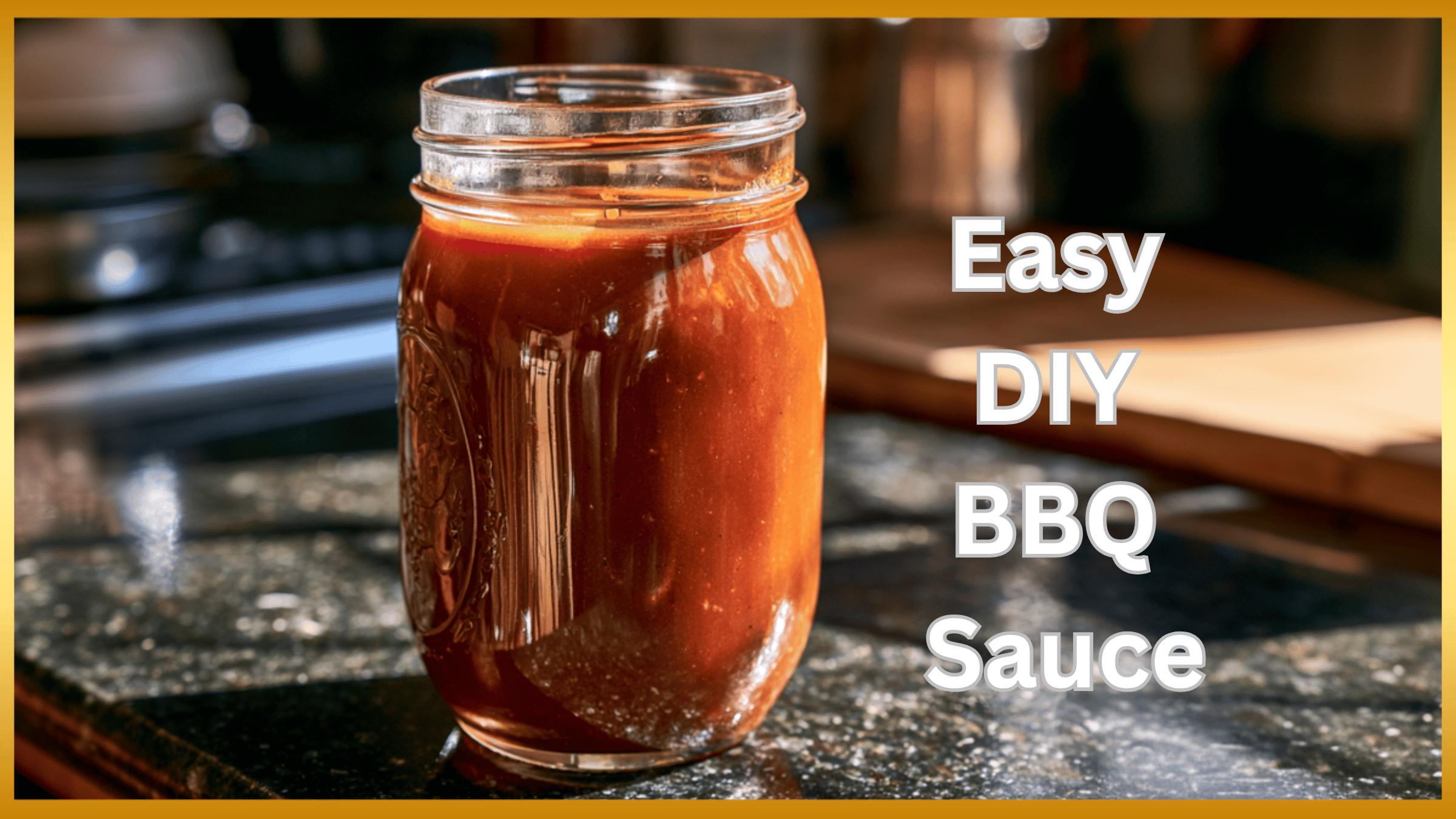
KBK DIY Easy BBQ Sauce
Sure, you could buy one of about two hundred BBQ sauces at your local store. But here's the issue, the cost-effective ones are full of high-fructose corn syrup and smoke "flavorings." Ick. The decent ones are $10 for 8 oz. Like most sauces, you can quickly and easily make a better sauce, taste and nutrition, at home. Make a lot - it saves well.
Recipe: Easy BBQ Sauce
Ingredients:
- 1½ cups organic ketchup (no high fructose corn syrup)
- ½ cup apple cider vinegar
- 1/3 cup water
- ¼ cup organic honey
- ¼ cup tamari, soy sauce, or liquid aminos
- 2 tablespoons yellow mustard
- 1 teaspoon garlic powder
- 1 teaspoon ground cumin
- 1 teaspoon onion powder
- 1 teaspoon smoked paprika
- Freshly ground black pepper
Instructions:
-
In a medium saucepan, combine the ketchup, vinegar, water, honey, tamari, mustard, garlic powder, cumin, onion powder, smoked paprika, and several grinds of pepper.
-
Bring to a simmer over medium heat, then reduce the heat to low and simmer, stirring often, for 20 minutes, or until thickened. Season to taste and store in the refrigerator for up to 2 weeks.
How does this recipe kick butt?
Before I toot my own horn, let's talk about barbecue sauce, in general for a minute, because I don't think most people realize how far a squeeze bottle of the stuff has drifted from anything resembling food.
Grab a bottle of a mainstream commercial BBQ sauce from your pantry and flip it over. You'll probably see high fructose corn syrup near the top of the list (sometimes twice, once as HFCS and once as "corn syrup," because why not), soybean oil, "natural flavors" that could mean basically anything, a modified food starch or two for thickening, and enough sodium to make your ankles swell just reading the label. It tastes great on ribs. It is not doing your body any favors.
Remember: When looking at a food product at the store, don't believe anything on the front label (this is all marketing). Flip it over and read the ingredients list first.
Here's the thing — you don't have to choose between flavor and quality. My easy BBQ sauce uses eleven ingredients you can pronounce, and every single one of them is pulling its weight nutritionally, not just flavor-wise. Let's go through why that matters.
HFCS vs. Organic Ketchup + Honey
The biggest offender in commercial sauce is high fructose corn syrup, and it's not just about "sugar is bad" — it's about how your body handles this particular sugar. HFCS is roughly half fructose, and unlike glucose, fructose is metabolized almost entirely in your liver. In small amounts, no big deal. But when it's isolated like this, and the base sweetener in everything from your conventional ketchup to your salad dressing to your sauce, that adds up to a significant hepatic load, and diets high in added fructose are linked to increased liver fat production and less favorable cholesterol patterns.
My recipe uses organic ketchup (already free of HFCS) plus a quarter cup of real honey. Honey still has fructose in it, to be clear — this isn't a "sugar-free" sauce, and it shouldn't be. But honey brings trace minerals, antioxidant compounds, and a flavor complexity that plain corn syrup can't touch, and because you're making the sauce yourself, you control exactly how much sweetener goes in rather than however much a food manufacturer decided would keep you reaching for the bottle again.
Soybean Oil and Your Omega-3:6 Ratio
A lot of people are surprised soybean oil shows up in BBQ sauce at all — it's there mostly as a cheap emulsifier and mouthfeel booster. The issue isn't that soybeans are bad, but isolated soybean oil is very troublesome. In fact, it's that it's extremely high in omega-6 fatty acids, and most of us are already eating a diet tilted heavily toward omega-6s (thanks to how common soybean, corn, and canola oil are in processed foods) and short on omega-3s. That imbalance is associated with a more pro-inflammatory baseline in the body over time, and chronic inflammation and disease in general.
My sauce has zero added oil. None. The texture and body come from the tomato base, the honey, and a 20-minute simmer that naturally thickens everything. One less oil-heavy processed food in your week is one small nudge back toward a better omega ratio — and it costs you nothing in flavor.
"Natural Flavors" vs. Actual Spices
This is the one that gets me the most. "Natural flavors" is a legally permitted catch-all term that can represent dozens of compounds, and as a consumer, you have no way of knowing what's actually in there. It might be perfectly innocuous. It might not be. It might be MSG. The point is you can't know, and I'd rather you not have to guess.
On the other hand, you could actually fill your sauce with antioxidant-packed nutrition powerhouse ingredients (sounds kick butt, right?). My sauce gets its flavor from garlic powder, onion powder, ground cumin, and smoked paprika — actual dried spices with actual nutritional properties, not proprietary flavor blends. Smoked paprika alone brings capsaicin-related compounds and carotenoids. Garlic and onion powder carry organosulfur compounds that have been studied for cardiovascular support. You're not just avoiding a mystery ingredient here — you're adding real, functional plant compounds to your plate.
Real Fermented Soy vs. Sodium-Bomb "Flavor Enhancers"
The tamari or soy sauce in this recipe does double duty: it adds that savory, umami backbone that a lot of commercial sauces try to fake with MSG or "hydrolyzed" this-or-that, and because it's a traditionally fermented product, it comes with some of the gut-supportive benefits of fermentation. You're getting real umami from a real fermented food, not a flavor-enhancer engineered to make bland ingredients taste more interesting than they are.
And yes, tamari has sodium — natural sodium like this or from salt is not unhealthy.. When you're making the sauce yourself, that sodium is coming from one identifiable source in a known amount, not stacked on top of three or four different sodium-heavy additives the way it often is in a commercial bottle.
Apple Cider Vinegar: Doing More Than You'd Think
The half cup of apple cider vinegar isn't just there for tang. Vinegar's acetic acid has been studied for its role in blunting post-meal blood sugar spikes when paired with a carbohydrate-containing meal — relevant here, since you're pouring this sauce over things like chicken, ribs, or a batch-cooked protein that's often served alongside rice or potatoes. It's a small effect, not a magic trick, but it's one more reason a homemade sauce built from whole ingredients tends to work with your body rather than against it.
The Full Knock-Out
None of this is about villainizing a squeeze bottle of sauce at a summer cookout — food doesn't have to be perfect to be enjoyable, and I'm never going to tell you to fear your condiments. But when you can make something this good, in about 20 minutes, with ingredients that are actually contributing something to your health rather than just extending shelf life and cutting costs for a manufacturer, it's worth having in your regular rotation.
Simmer a batch this weekend. It keeps in the fridge for two weeks, which means it's ready for grilled chicken, pulled pork, roasted veggies, or honestly just as a dip you probably shouldn't eat with a spoon (no judgment if you do). Or freeze it and keep it even longer.