
KBK Recipes
Easy DIY Caesar Dressing
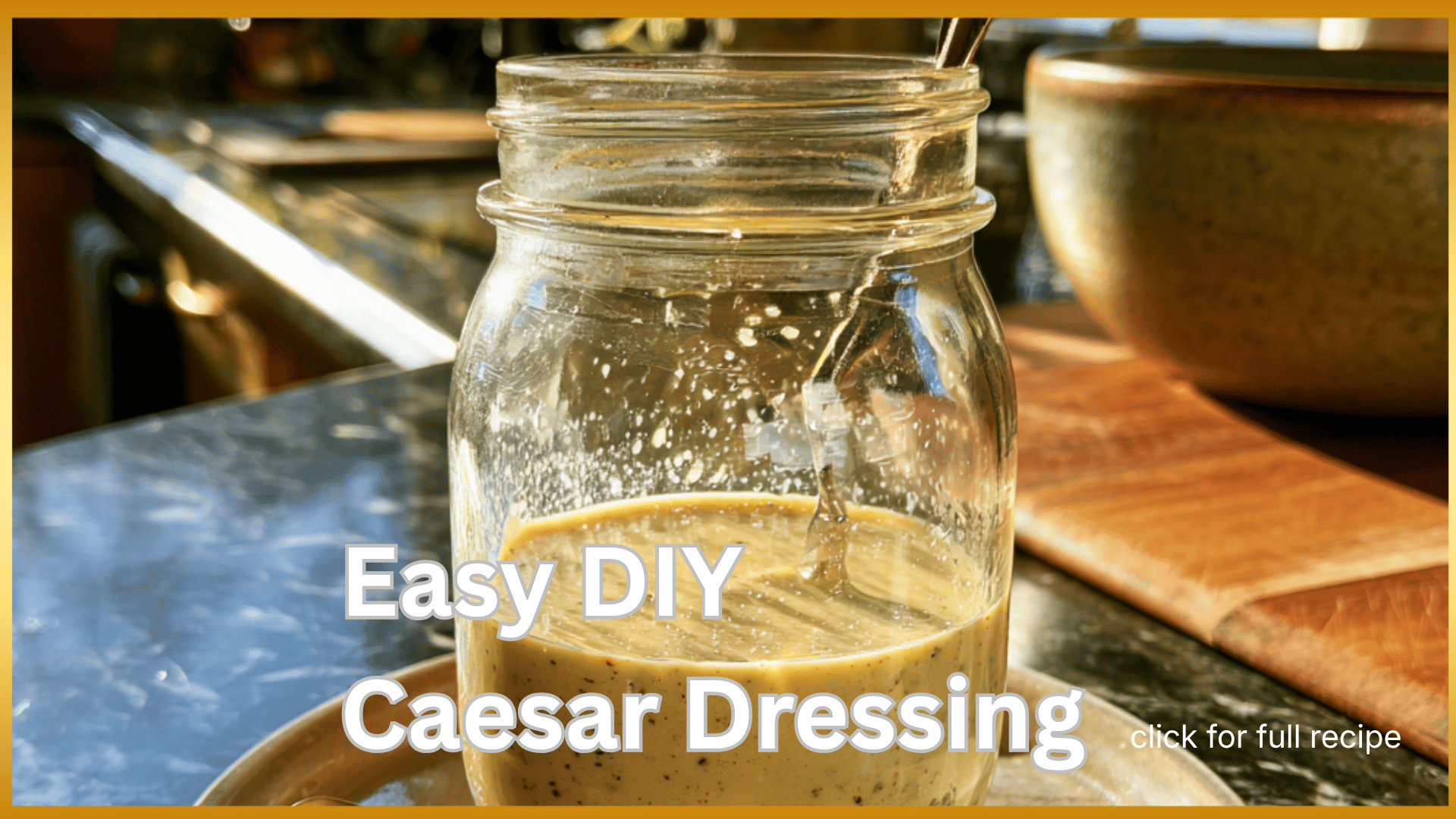
KBK Easy DIY Caesar Dressing
There's not much my family loves more than a delicious Caesar Salad. My girls have begun making this dressing and homemade croutons for an amazing dinner! This is better than anything you're gonna find at the store!.
Recipe: Easy Caesar Dressing
Ingredients:
- 2 small cloves garlic, minced
- 1 teaspoon anchovy paste (this comes in a squeeze tube, and yes, it makes a difference)
- 2 tablespoons freshly squeezed lemon juice, from one lemon
- 1 teaspoon Dijon mustard
- 1 teaspoon Worcestershire sauce
- 1 cup AVOCADO mayonnaise (or our KBK homemade mayo)
- ½ cup freshly grated Parmigiano-Reggiano OR 2 Tbsp nutritional yeast for dairy-free (oh yeah!)
- ¼ teaspoon salt
- ¼ teaspoon freshly ground black pepper
Instructions:
- In a medium bowl, whisk together the garlic, anchovy paste, lemon juice, Dijon mustard and Worcestershire sauce. Add the mayonnaise, Parmigiano-Reggiano (or nutritional yeast), salt and pepper and whisk until well combined. Taste and adjust to your liking. The dressing will keep well in the fridge for about a week (and it freezes well for months).
How does this Recipe Kick Butt?
Caesar dressing has a reputation problem (for good reason). Use a commercial brand and you'll likely be pouring a processed sauce made almost entirely of soybean oil while feeling virtuous for skipping the croutons. Nothing kills me more than a beautiful, nourishing salad smoothered in soybean oil.
I want to flip that script, because the issue was never creaminess — it's what that creaminess is made of.
Grab a bottle of mainstream commercial Caesar dressing and check the ingredient panel. Nine times out of ten, the very first ingredient — the one there's the most of — is soybean oil. Not olive oil, not egg, not anchovy or Parmesan doing the flavor work you'd expect from an actual Caesar. Soybean oil, water, sugar, a pile of stabilizers and gums to keep it from separating, and "natural flavor" or "flavoring" standing in for the anchovy and garlic that should be doing that job. Regular commercial mayo has the exact same story — soybean oil is almost always the number one ingredient by weight - so this is an issue with many recipes as well.
My homemade Caesar swaps that out entirely, and I want to walk you through why that swap is worth caring about, not just as a matter of taste, but physiologically.
Remember: When looking at a food product at the store, don't believe anything on the front label (this is all marketing). Flip it over and read the ingredients list first.
The Soybean Oil Problem, in Plain Terms
Soybean oil is a bummer. It's just extremely high in omega-6 fatty acids (specifically linoleic acid), and the average American diet is already tilted way too far toward omega-6 relative to omega-3. That imbalance matters because these two fatty acid families compete for the same enzymes in your body and get converted into different signaling molecules — omega-6-derived compounds tend to be more inflammatory, omega-3-derived ones less so. You need some omega-6, but we easily get enough from wholefoods including vegetables, grains and meats. We don't need excess from processed foods - in fact, this is mostly what's made the modern humans' omega6 to omega3 ratio way off kilter and highly inflammatory. Processed oils hide in everything: salad dressings, mayo, crackers, breads, sauces. A Caesar dressing where soybean oil is ingredient number one is quietly adding to that tilt every time you use it.
It's also worth saying plainly: when soybean oil is the main ingredient in a "creamy dressing," you're mostly paying for cheap fat and thickening agents, not for the flavor components that actually make a Caesar taste like a Caesar.
What My Recipe Uses Instead: Avocado Oil Mayo
The base of this dressing is avocado mayonnaise (or our homemade KBK version), and that one swap changes EVERYTHING. Avocado oil is predominantly monounsaturated fat — the same fat family found in olive oil and highlighted in the Mediterranean Diet — and research on monounsaturated-fat-rich diets consistently links them to more favorable cholesterol patterns and lower cardiovascular risk markers compared to diets high in omega-6 seed oils. You get the same creamy, rich mouthfeel a Caesar needs, from a fat source that's working with your cardiovascular system instead of against it.
Anchovy Paste and Worcestershire: Real Umami, Not Manufactured Flavor
A proper Caesar gets its savory backbone from anchovies, and that's not just a flavor tradition — anchovies are a genuinely good source of omega-3 fatty acids (EPA and DHA specifically, the ones your body can actually use directly, unlike the plant-based omega-3s in things like flaxseed), plus a solid hit of protein and vitamin B12 in a very small amount. A teaspoon of anchovy paste plus a teaspoon of Worcestershire (which itself is anchovy-based) gives you that deep umami flavor commercial dressings try to fake with "natural flavors" or straight-up MSG, except here it's coming from actual fish, actual fermentation, and actual malt vinegar — ingredients with a nutritional story instead of a chemistry one.
Fresh Garlic and Lemon Juice vs. Powder and Preservative Acid
Fresh garlic contributes allicin, a compound formed when garlic is crushed or minced, which has been studied for cardiovascular and immune-supportive properties — but that compound is fragile and largely lost in the powdered, processed garlic flavoring used in shelf-stable commercial dressings. Freshly squeezed lemon juice does the acidic, brightening job that commercial dressings usually hand off to cheaper vinegar or straight citric acid, while also bringing vitamin C and a flavor complexity that citric acid alone can't replicate.
Real Parmigiano-Reggiano vs. "Parmesan Flavor"
This is a big one. A lot of commercial Caesar dressings either skip real cheese entirely or use a small amount of processed "Parmesan-flavored" powder to hit the right notes cheaply. Real Parmigiano-Reggiano, aged and grated fresh, brings genuine protein, calcium, and naturally occurring glutamates — the same compounds behind that craveable umami punch, except here they're occurring naturally in an aged cheese instead of being added as an isolate. You also get live enzymatic activity and a depth of flavor that no cheese-flavored powder can fake, which is exactly why this dressing tastes like something instead of tasting like "Caesar-adjacent."
For a dairy-free version, swap the Parmigiano-Reggiano for 2-3 tablespoons of nutritional yeast. It brings its own naturally occurring glutamates for that same umami depth, plus it's a great source of B vitamins — many brands are fortified with B12 specifically, which is otherwise hard to come by on a dairy-free diet — along with a solid dose of protein and fiber for so little volume.
The Full Knock-Out
Caesar dressing doesn't have to be the thing you feel guilty about on your salad. The creamy, rich texture you love isn't the problem — the cheap, omega-6-heavy oil most brands build that texture out of is. Swap in a good avocado oil mayo, real anchovy, fresh garlic and lemon, and actual aged Parmesan, and you get a dressing that's just as indulgent-tasting but is actually contributing good fats, protein, and flavor compounds to your plate instead of just filling space on the label.
Whisk up a batch this week — it keeps in the fridge for about a week, so it's ready to go on salads, roasted vegetables, or as a dip for basically anything that could use a little garlicky, umami richness.